Wildfire Resiliency Funding
October 28, 2026
Up to $150,000 in Wildfire Resiliency Funding Available for First Nations Communities in BC
New funding opportunity: 2026–2027 FNESS–ISC On-Reserve Wildfire Resiliency Program
First Nations communities across British Columbia have a new opportunity to strengthen wildfire preparedness, improve community safety, and support on-reserve wildfire resiliency through the 2026–2027 On-Reserve Wildfire Resiliency Program, funded by Indigenous Services Canada (ISC) and delivered in partnership with the First Nations’ Emergency Services Society of BC (FNESS).
With funding of up to $150,000 per eligible community or Tribal Council, this program can help support wildfire mitigation projects, FireSmart initiatives, specialized training, and other activities that contribute to safer, more resilient communities.
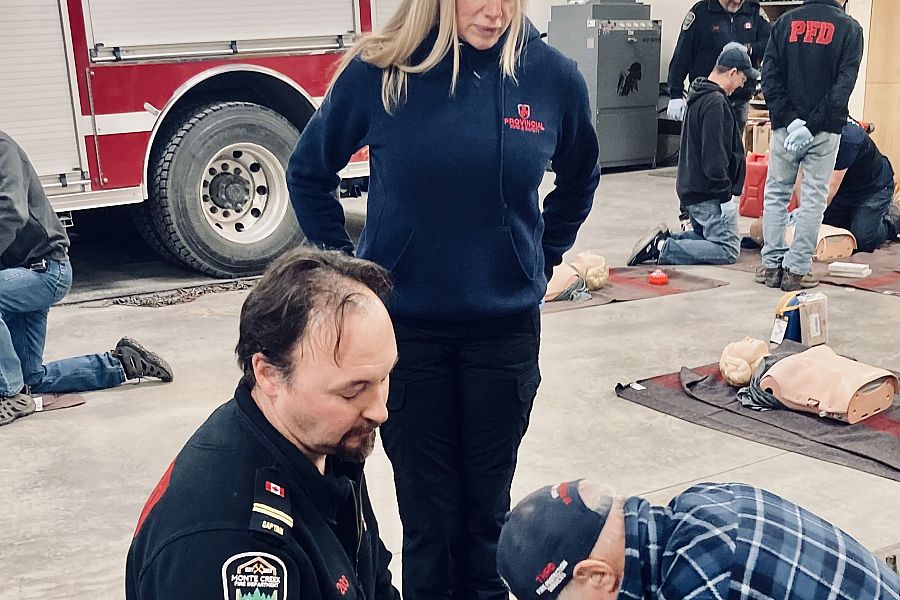
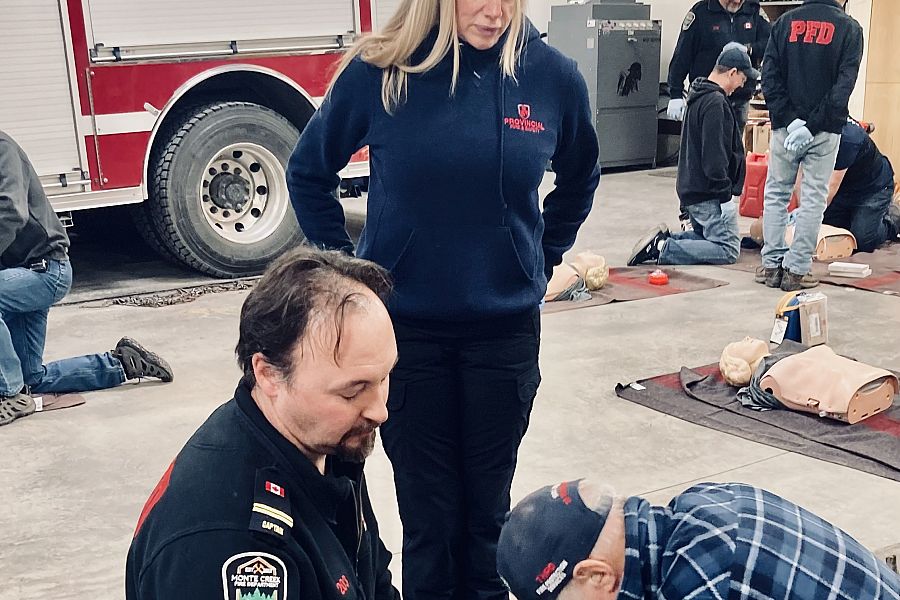
At Provincial Fire & Safety, we understand the importance of practical training and emergency preparedness. We encourage eligible First Nations communities to explore this funding opportunity and consider how wildfire training and safety services could support their community's goals.
What Funding Is Available?
The program provides funding for approved wildfire resiliency initiatives, with eligible applicants able to receive up to $150,000.
Funding covers approved project costs under the program's eligible streams, which may include:
-
Wildfire training: Certain S-series wildfire courses that are not currently offered by FNESS may qualify for approximately $5,000–$10,000 in funding.
-
Prescribed-fire projects: Eligible activities may include fireline specialists, ignition and holding crews, appropriate first-aid coverage, and traffic control.
-
Operational fuel treatments: Approved projects may include contractor costs, tree felling, thinning, pruning, and piling to reduce hazardous vegetation.
-
FireSmart initiatives: Approved projects may include tools and power tools required to carry out eligible work.
Approved recipients receive 100% of the grant funding after signing the funding agreement and completing the required post-approval meeting.
All projects and expenses must meet the program's eligibility requirements and receive the necessary approvals.
How Provincial Fire & Safety May Be Able to Help
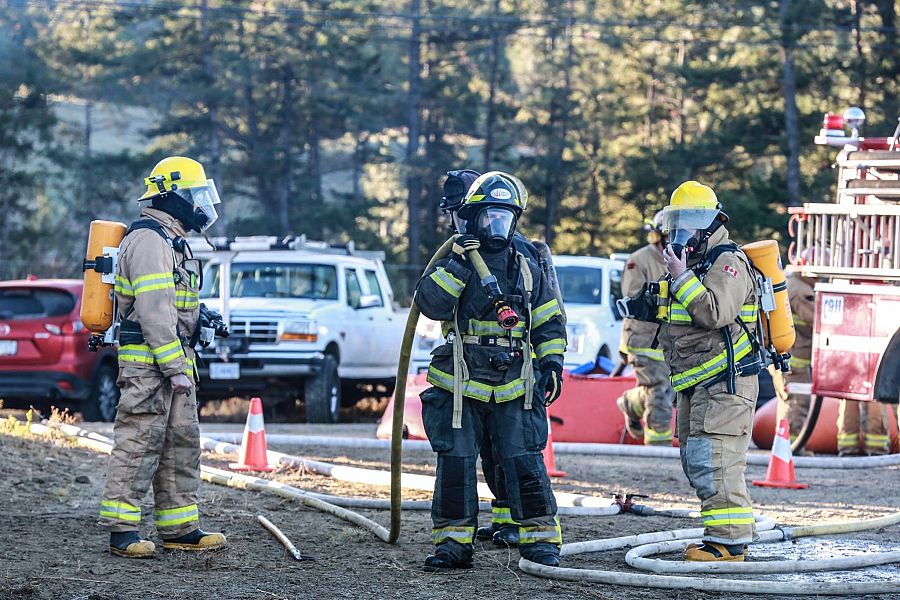
Provincial Fire & Safety provides training and safety services that help prepare individuals and organizations to work safely in demanding environments.
Depending on the community's project and FNESS approval, our services may support wildfire resiliency initiatives through:
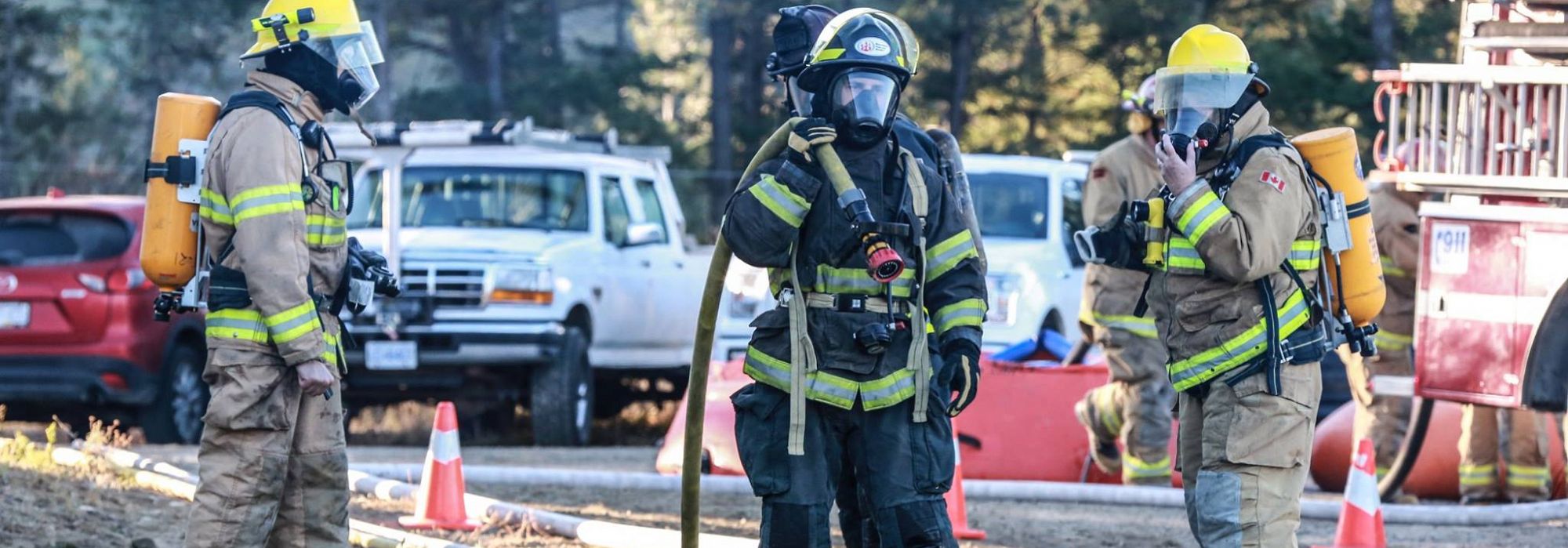
Specialized wildfire training
Eligible communities may be able to use program funding for approved S-series wildfire instruction, particularly courses that are not currently offered by FNESS. Course eligibility should be confirmed with the assigned FNESS Wildfire Resiliency Advisor before making arrangements.
First-aid coverage for wildfire projects
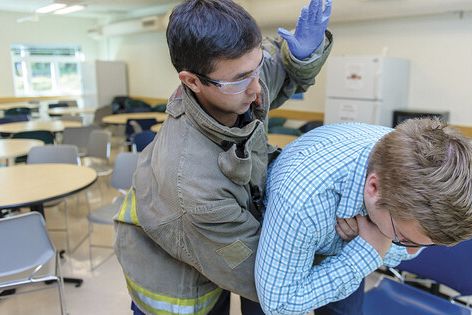
Prescribed-fire projects may require appropriate first-aid coverage. Provincial Fire & Safety can discuss potential coverage options based on the project's scope, location, operational requirements, and applicable approvals.
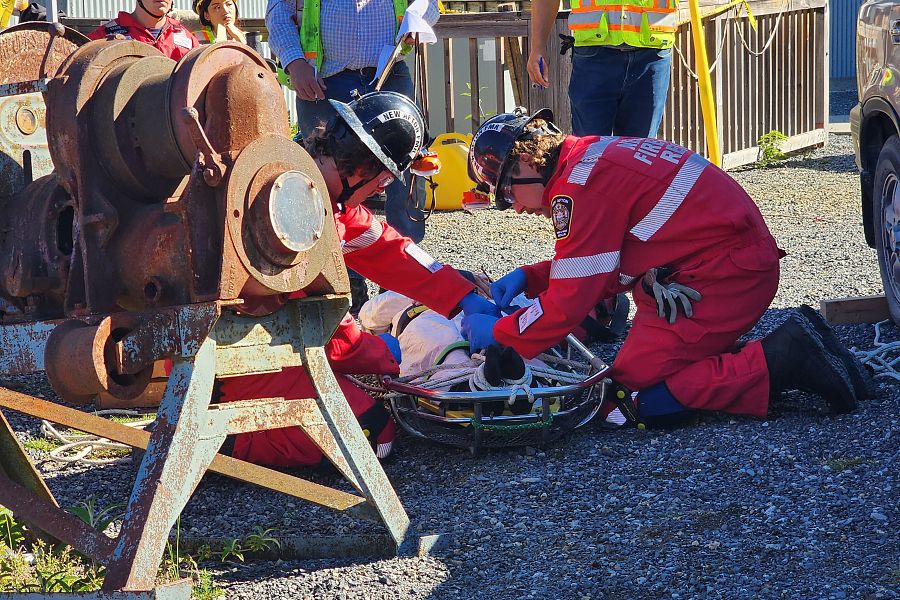
Wildfire and operational safety services
Communities planning fuel-treatment or other wildfire mitigation projects can explore their safety and training requirements with our team. Chainsaw training may be relevant to this work, but it is not expressly listed as an eligible expense in the program guide. Written confirmation from FNESS is recommended before including it in a funding request.
Our team can help discuss potential training and service options and provide preliminary pricing to support project planning.
Who Can Apply?
The program is intended for eligible First Nations communities undertaking wildfire resiliency work on reserve or treaty-settlement lands in British Columbia.
Eligible applicants include:
-
BC Bands and Treaty First Nations.
-
Tribal Councils applying to support eligible on-reserve communities.
Projects on fee-simple land and other excluded land tenures are not eligible under this program.
Importantly, the initial application request must come directly from a designated community representative. Requests submitted by consultants or outside service providers will not be followed up by FNESS.
Applicants must also work with an assigned FNESS Wildfire Resiliency Advisor and provide a Band Council Resolution (BCR) or equivalent documentation.
How to Get Started
If your community is considering wildfire training, mitigation, or safety projects, we recommend starting the application process early.
1. Identify your community's needs.
Consider whether specialized wildfire training, first-aid coverage, prescribed-fire support, or fuel-treatment activities could contribute to your community's wildfire resiliency priorities.
2. Contact FNESS.
A designated community representative should email [email protected] to request the application and budget forms.
3. Work with your assigned advisor.
Your FNESS Wildfire Resiliency Advisor can help clarify the program requirements and determine whether your proposed activities and expenses are eligible.
4. Confirm training and service eligibility.
Before finalizing a quote or including a service in your funding application, confirm that the proposed course, service, and associated costs are eligible for approval.
5. Submit your application before the deadline.
The application deadline is December 1, 2026. The program guide does not publish a closing time or time zone, so contact FNESS directly to confirm submission requirements.
Don't Miss the December 1, 2026 Deadline
This funding opportunity can help eligible First Nations communities take meaningful steps toward wildfire preparedness, mitigation, and operational safety.
Provincial Fire & Safety is available to discuss potential training and safety service requirements, explore options for your project, and provide preliminary pricing for consideration in your funding plans.
Contact Provincial Fire & Safety to discuss your community's wildfire training and safety needs.
To learn more about the program and its requirements, visit the FNESS On-Reserve Wildfire Resiliency Program page.
Please note: Funding is subject to program eligibility, available funding, and FNESS approval. Communities should confirm the eligibility of all proposed courses, services, and expenses with their assigned advisor before submitting a budget.
Insights
Keep up to date with training tactics and strategies for emergency responder safety and training programs. Industry leaders in safety and training programs share their insights on past and current trends and topics here.