How to Use an AED: A Step-by-Step Guide
June 22, 2026
Learn how to use an Automated External Defibrillator (AED) with this simple step-by-step guide. Discover when to use an AED, how it works, and why first aid and CPR training can save lives.
When someone experiences a sudden cardiac arrest, every second counts. An Automated External Defibrillator (AED) is designed to be easy for anyone to use, even without medical training. Combined with high-quality CPR, an AED can dramatically improve a person's chances of survival.
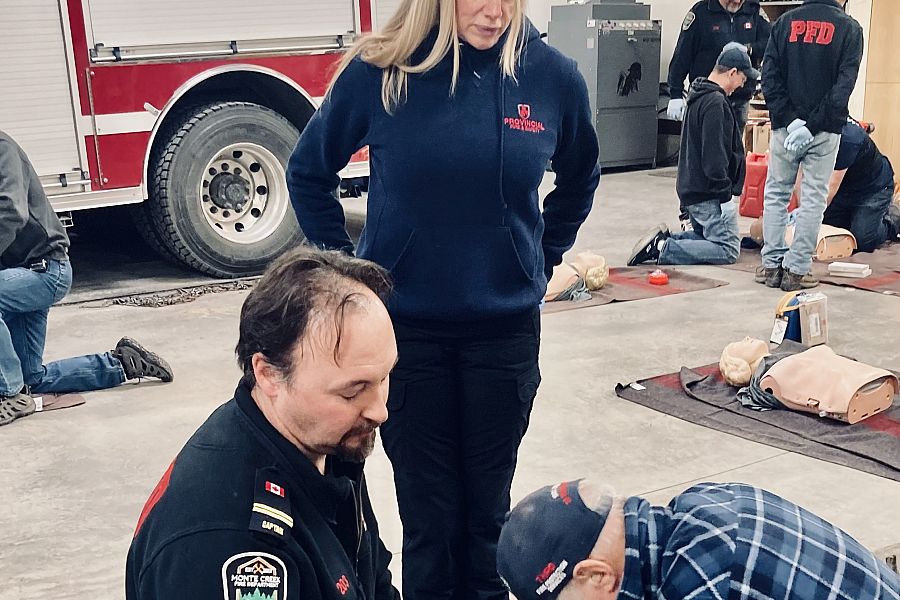
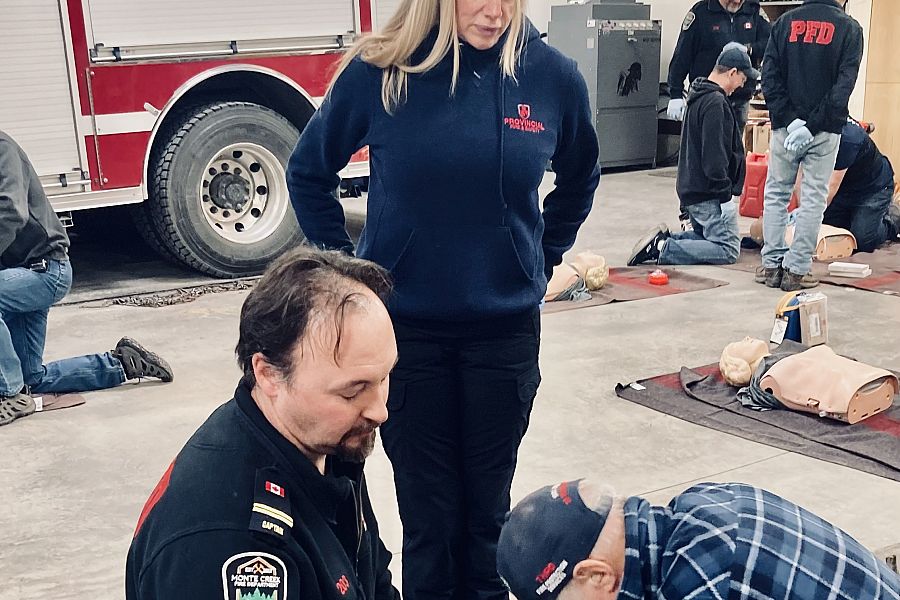
At Provincial Fire and Safety, we teach participants how to confidently use an AED as part of our CPR and First Aid courses. Here's what you need to know.
What Is an AED?
An Automated External Defibrillator (AED) is a portable device that analyzes a person's heart rhythm and, if needed, delivers an electrical shock to help restore a normal heartbeat.
AEDs are commonly found in:
-
Schools
-
Recreation centres
-
Workplaces
-
Airports
-
Shopping malls
-
Community buildings
-
Sports facilities
The best part? AEDs provide clear voice prompts that guide you through every step.
When Should You Use an AED?
Use an AED if a person:
-
Is unresponsive
-
Is not breathing normally (or is only gasping)
If these signs are present:
-
Call 911 (or have someone else call).
-
Begin CPR immediately.
-
Have someone bring the nearest AED.
-
Use the AED as soon as it arrives.
How to Use an AED: Step-by-Step
Step 1: Turn on the AED
Open the AED case and press the power button (some models turn on automatically when opened).
The device will begin giving voice instructions.
Step 2: Expose the Person's Chest
Remove or cut away clothing so the chest is bare.
If the chest is wet, quickly dry it before applying the pads.
Step 3: Attach the AED Pads
Apply the adhesive pads exactly as shown on the pictures printed on the pads:
-
One pad goes on the upper right side of the chest.
-
The other goes on the lower left side, below the armpit.
Most AEDs include diagrams to make placement simple.
Step 4: Let the AED Analyze
Once the pads are attached, the AED will analyze the person's heart rhythm.
Do not touch the person during this analysis.
The AED will tell you when it's safe to continue.
Step 5: Deliver the Shock (If Advised)
If the AED says a shock is needed:
-
Make sure no one is touching the person.
-
Loudly say, "Clear!"
-
Press the flashing shock button if instructed (some AEDs deliver the shock automatically).
Remember, the AED will only advise a shock if it is appropriate. You cannot accidentally shock someone who doesn't need it.
Step 6: Resume CPR
Immediately begin CPR after the shock, or if no shock is advised.
Continue following the AED's prompts until:
-
Emergency medical services arrive.
-
The person begins breathing normally.
-
You are physically unable to continue.
Can You Hurt Someone by Using an AED?
One of the most common concerns people have is using an AED incorrectly.
Fortunately, AEDs are extremely safe. They are designed to analyze the heart rhythm and will not deliver a shock unless one is needed. Simply follow the voice prompts and continue CPR as directed.
Why AEDs Matter
Sudden cardiac arrest can happen to anyone, anywhere. Without immediate CPR and defibrillation, survival rates decrease by approximately 7–10% for every minute that passes without treatment.
Quick action by a bystander can make the difference between life and death.
Learn Hands-On AED Training
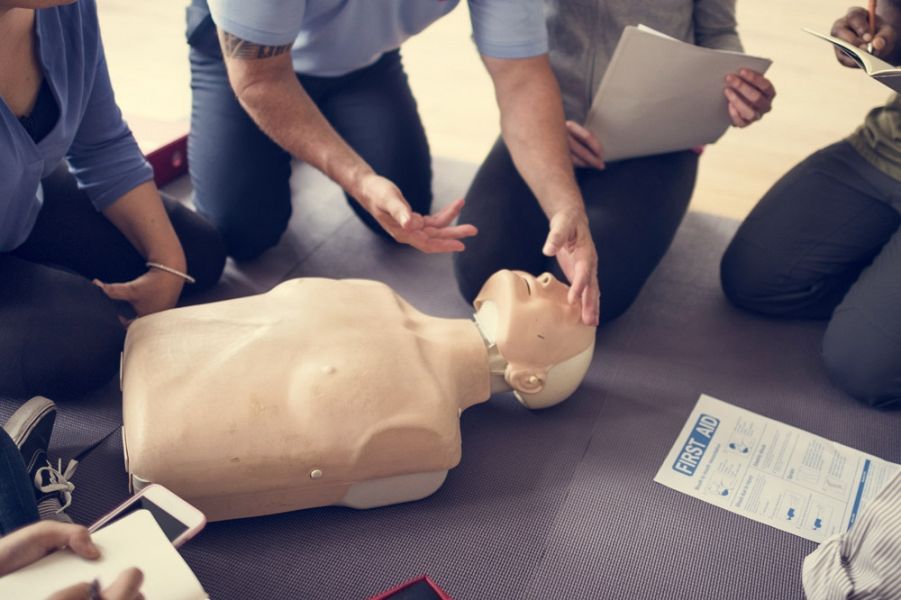
While AEDs are designed for public use, hands-on practice builds confidence and prepares you to respond in a real emergency.
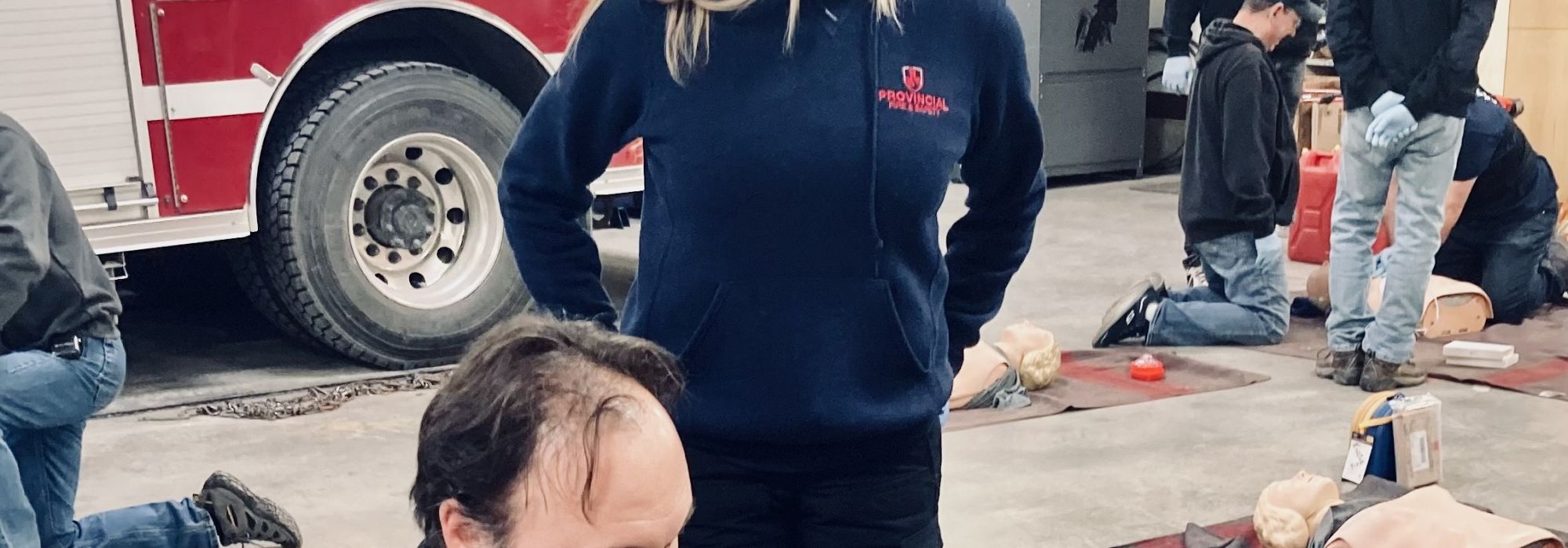
At Provincial Fire and Safety, all of our CPR and First Aid courses include practical AED training, so you'll know exactly what to do if someone experiences a cardiac emergency.
Whether you're taking a course for work, school, or personal knowledge, you'll leave feeling confident in your ability to help save a life.
Register for a CPR & First Aid Course Today
Knowing how to use an AED is a simple skill that can have a life-saving impact. Combined with quality CPR, it's one of the most important things you can learn.
Contact Provincial Fire and Safety today to register for an upcoming CPR and First Aid course and gain the confidence to respond when it matters most.
Insights
Keep up to date with training tactics and strategies for emergency responder safety and training programs. Industry leaders in safety and training programs share their insights on past and current trends and topics here.